
How to Do a Handstand: A Beginner’s Guide for Children & Adults
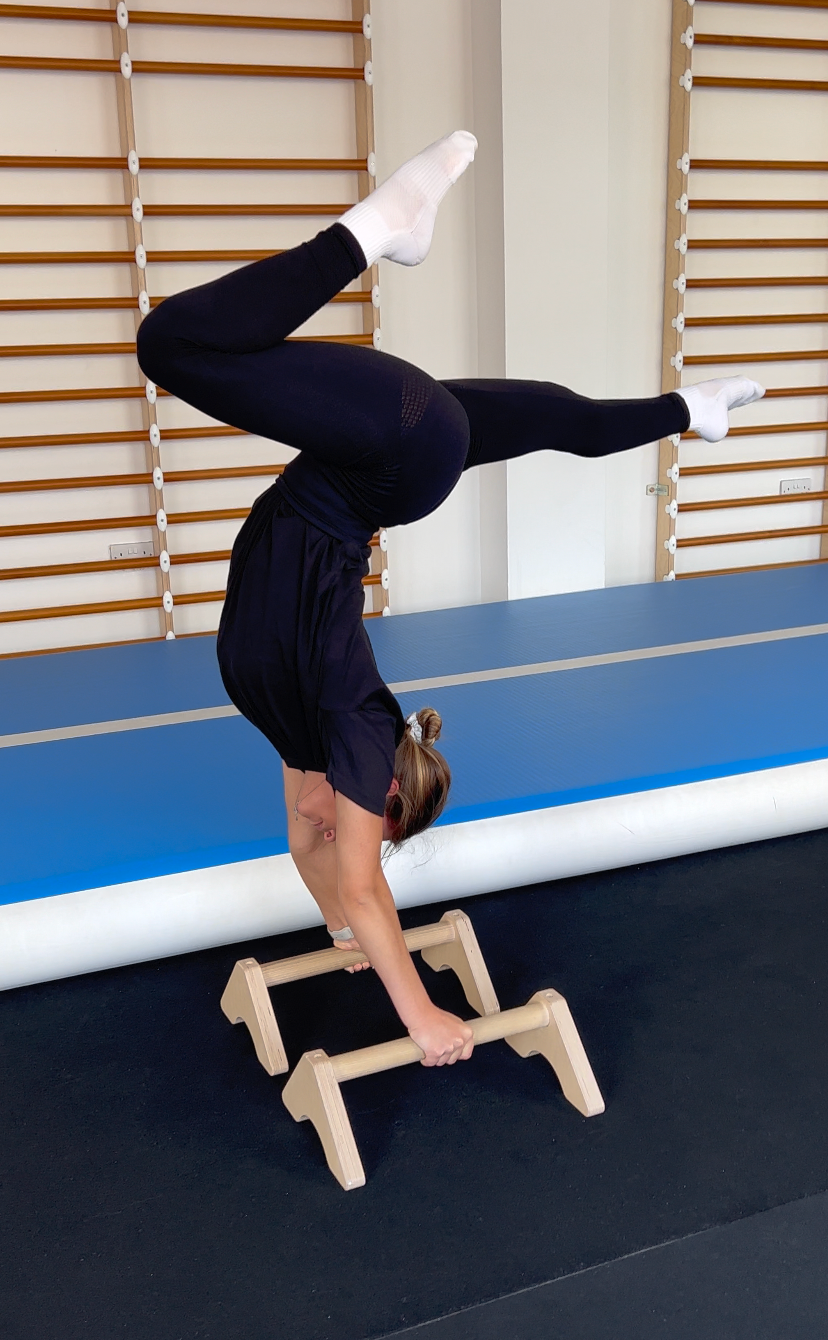
Learning how to do a handstand is one of the most exciting and rewarding gymnastics skills for both children and adults. Handstands help improve balance, strength, coordination, body awareness and confidence—making them a fantastic skill for all ages.
At House of GPA in Balham, London, we offer specialist handstand masterclasses for children and adults, helping beginners and experienced athletes safely develop their handstand technique in a fun and supportive environment.
Why Learn a Handstand?
Handstands are much more than an impressive trick. They are one of the foundational skills used in gymnastics, dance, cheerleading, acrobatics, yoga and fitness training.
Benefits of handstand training include:
Improved upper body strength
Better balance and coordination
Increased core stability
Greater flexibility and body control
Boosted confidence and focus
For children, handstands also support physical literacy and motor skill development. For adults, they provide a fun and challenging way to build strength and mobility.
Step 1: Build Strength First
Before attempting a full handstand, it’s important to develop strength in:
Shoulders
Wrists
Arms
Core muscles
Some great beginner exercises include:
Planks
Hollow holds
Wall walks
Bear crawls
Shoulder taps
At House of GPA, our coaches guide students through safe progressions to ensure proper strength and technique before moving to independent handstands.
Step 2: Practice Against a Wall
Using a wall is one of the safest ways to begin learning handstands.
How to Start:
Place your hands shoulder-width apart on the floor.
Kick one leg up gently toward the wall.
Bring the second leg up to meet it.
Keep your arms straight and core tight.
Look slightly between your hands.
Try holding the position for 10–20 seconds at a time while maintaining control and balance.
Step 3: Focus on Body Position
A strong handstand relies on correct alignment.
Key points:
Straight arms
Tight core
Pointed toes
Neutral head position
Shoulders pushed tall
One common mistake beginners make is arching their back too much. Keeping the body tight and stacked helps improve balance and control.

Step 4: Learn to Balance
Once comfortable against the wall, you can begin practicing freestanding handstands.
Start by:
Using smaller kick-ups
Practicing balance shifts
Learning how to safely come down
Consistency is key. Most people improve through short, regular practice sessions rather than long occasional workouts.

Why Professional Coaching Matters
Learning handstands with qualified coaches can dramatically improve progress and reduce the risk of injury.
At House of GPA, our handstand masterclasses are designed for:
Complete beginners
Children developing gymnastics skills
Adults learning handstands for fitness
Athletes improving body control and balance
Our classes focus on:
Safe technique
Progressive drills
Strength development
Flexibility training
Confidence building
Whether your goal is your very first handstand or mastering advanced skills, our expert coaches provide personalised support every step of the way.
Join Our Handstand Masterclasses
If you’re looking for handstand classes for children or adults, House of GPA offers fun and structured training sessions suitable for all abilities.
Our handstand masterclasses help students:
Build strength safely
Improve flexibility
Develop confidence upside down
Learn proper gymnastics technique
Book a class today and start your handstand journey with House of GPA.


Comments